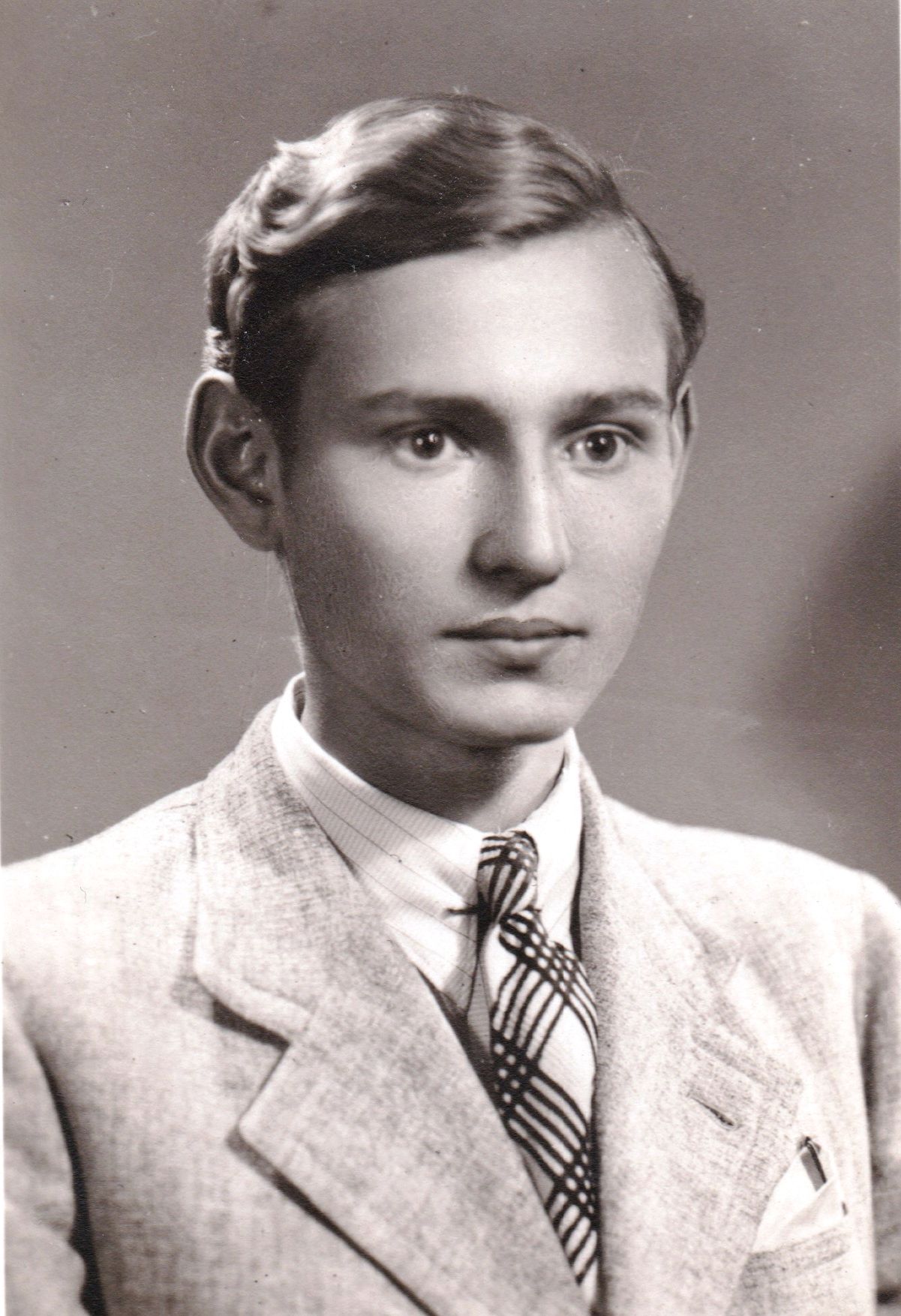
Family Background
Born on Oct 7th, 1924 in Toruń into a middle-class Polish Catholic family of German descent.
His father, Stanisław Findeisen (1873-1970), was a mechanical engineer and (later in his life) an entrepreneur. Educated in Berlin, he had worked several years for German electrotechnical companies in Baku (Azerbaijan) and Rostov-on-Don (Russia).
His mother, Alicja Findeisen (née Handke) (1896-1994), was the daughter of a brewer and owner of a family-run brewery.
-
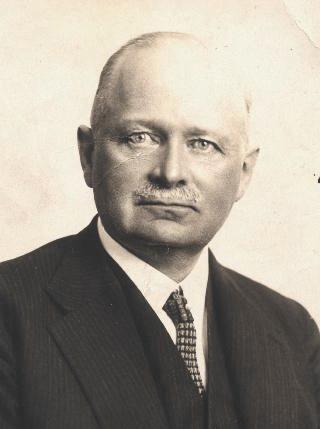
His father, Stanisław Findeisen -
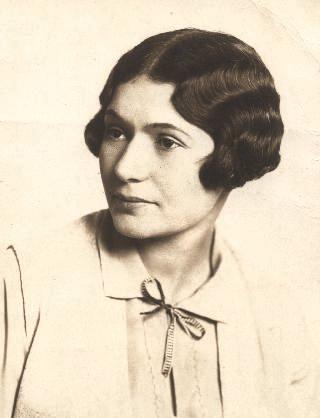
His mother, Alicja Findeisen (née Handke) -
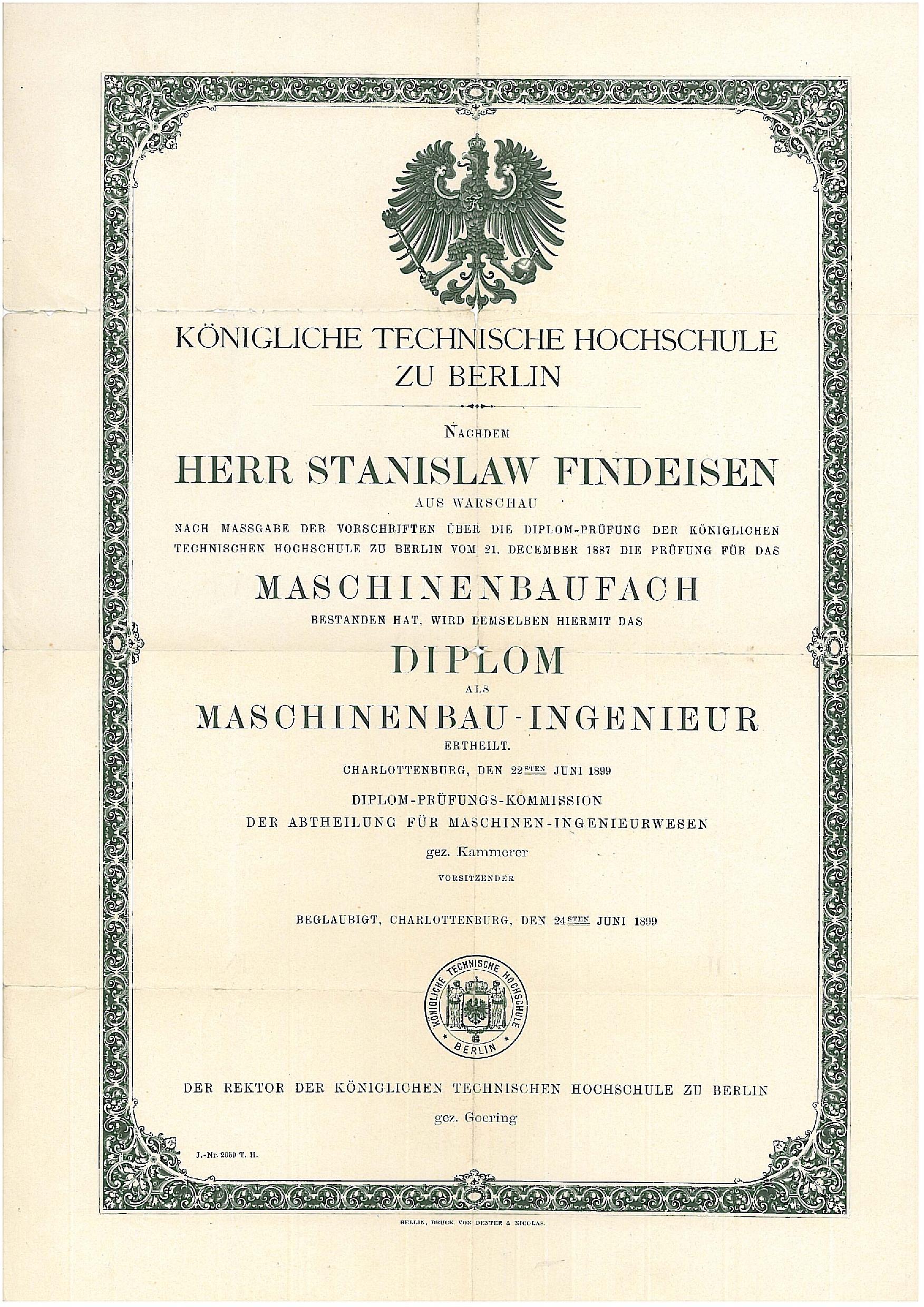
His father's German engineering diploma (1899)
His younger brother, Władysław (Władek) Findeisen (1926-2023), a fellow resistance fighter, survived the war and went on to become a famous professor.
The family never signed the German Volkslist, despite qualifying.
Childhood and Adolescence
-
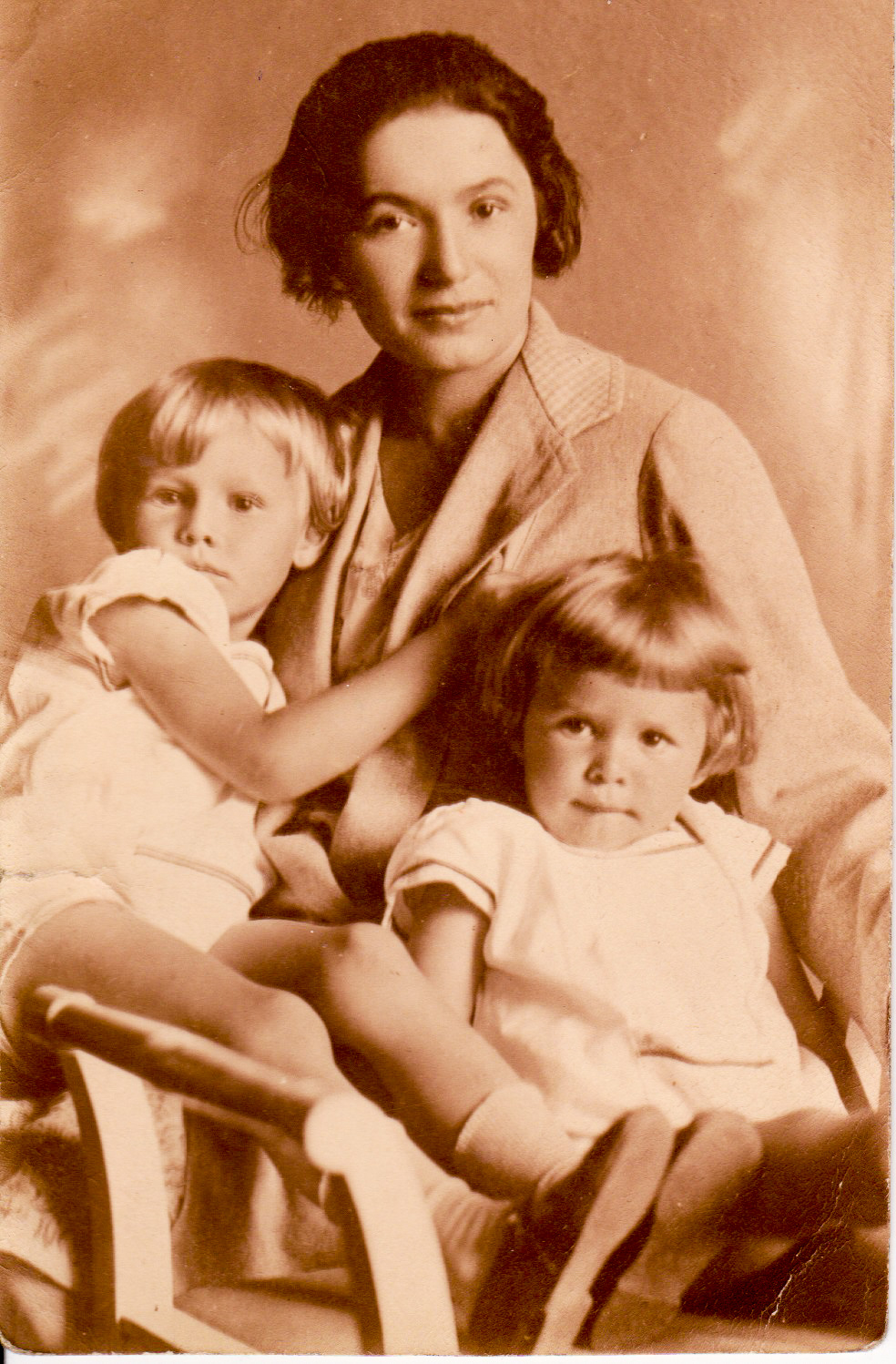
With Władek (R) and their mother Alicja in Gdynia (June 1929) -
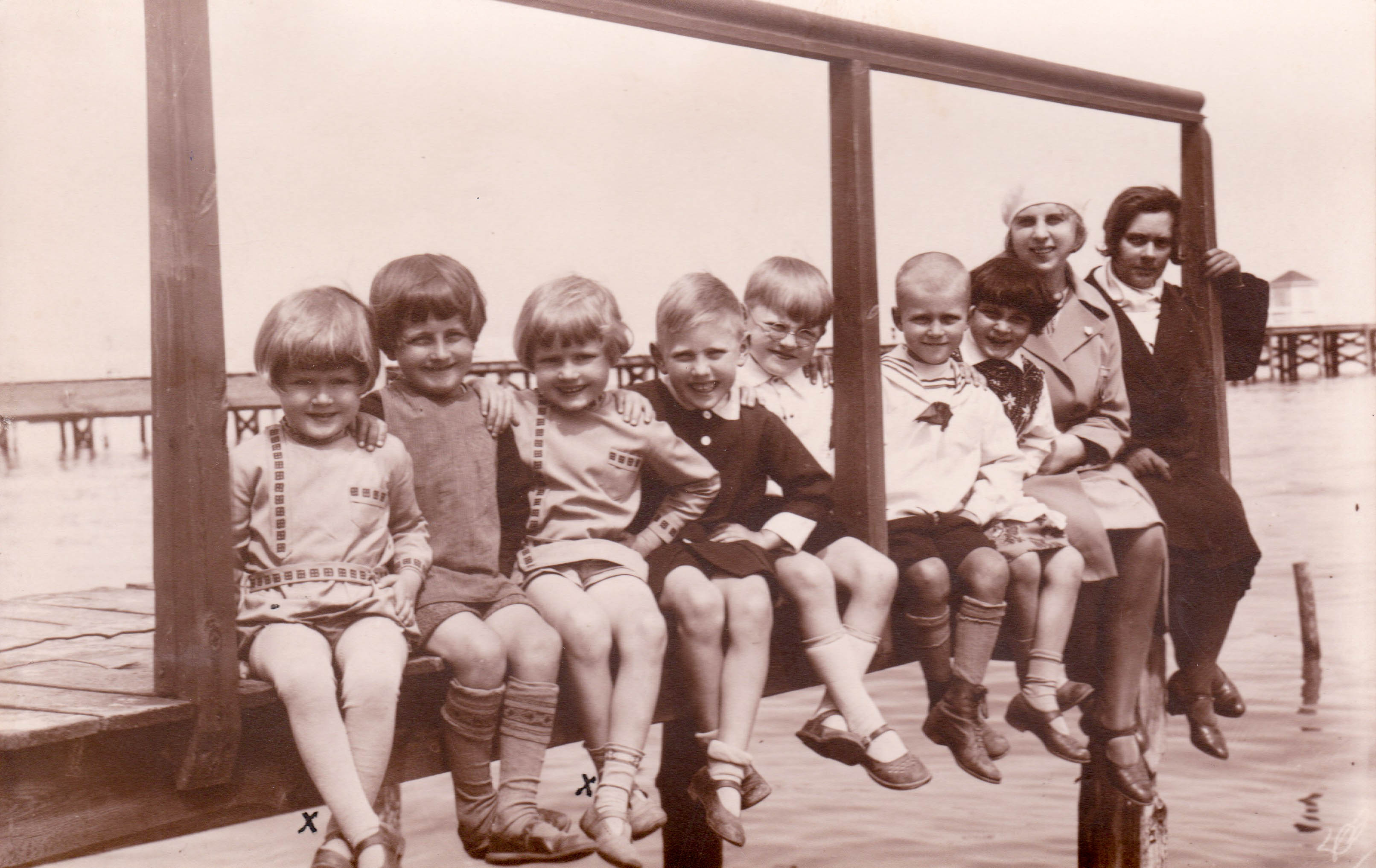
In kindergarten (3rd from the left) with Władek (1st from the left) and other kids (Gdynia, May 1930) -
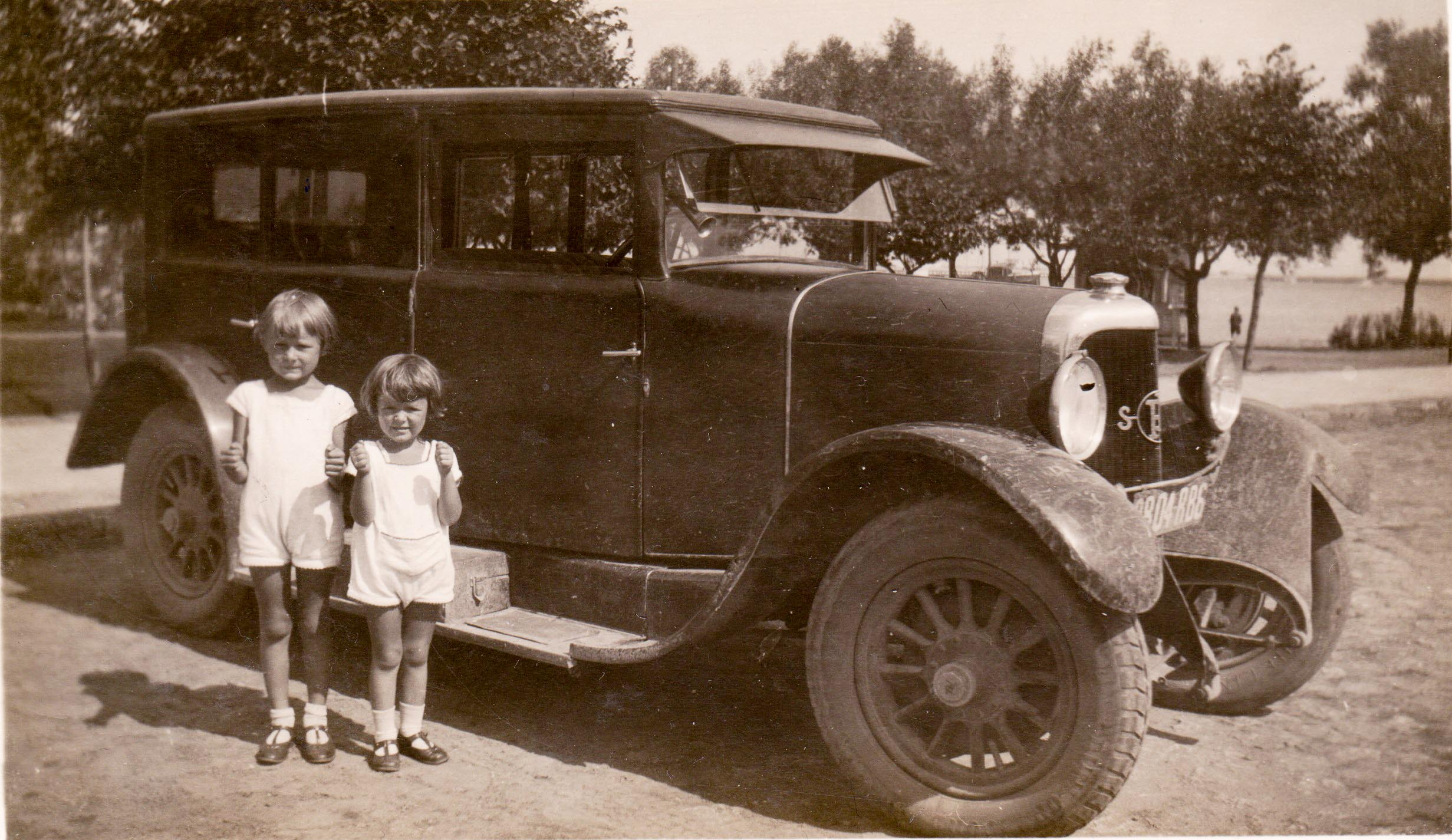
With Władek (R) in Gdynia (Aug 25th, 1930) -
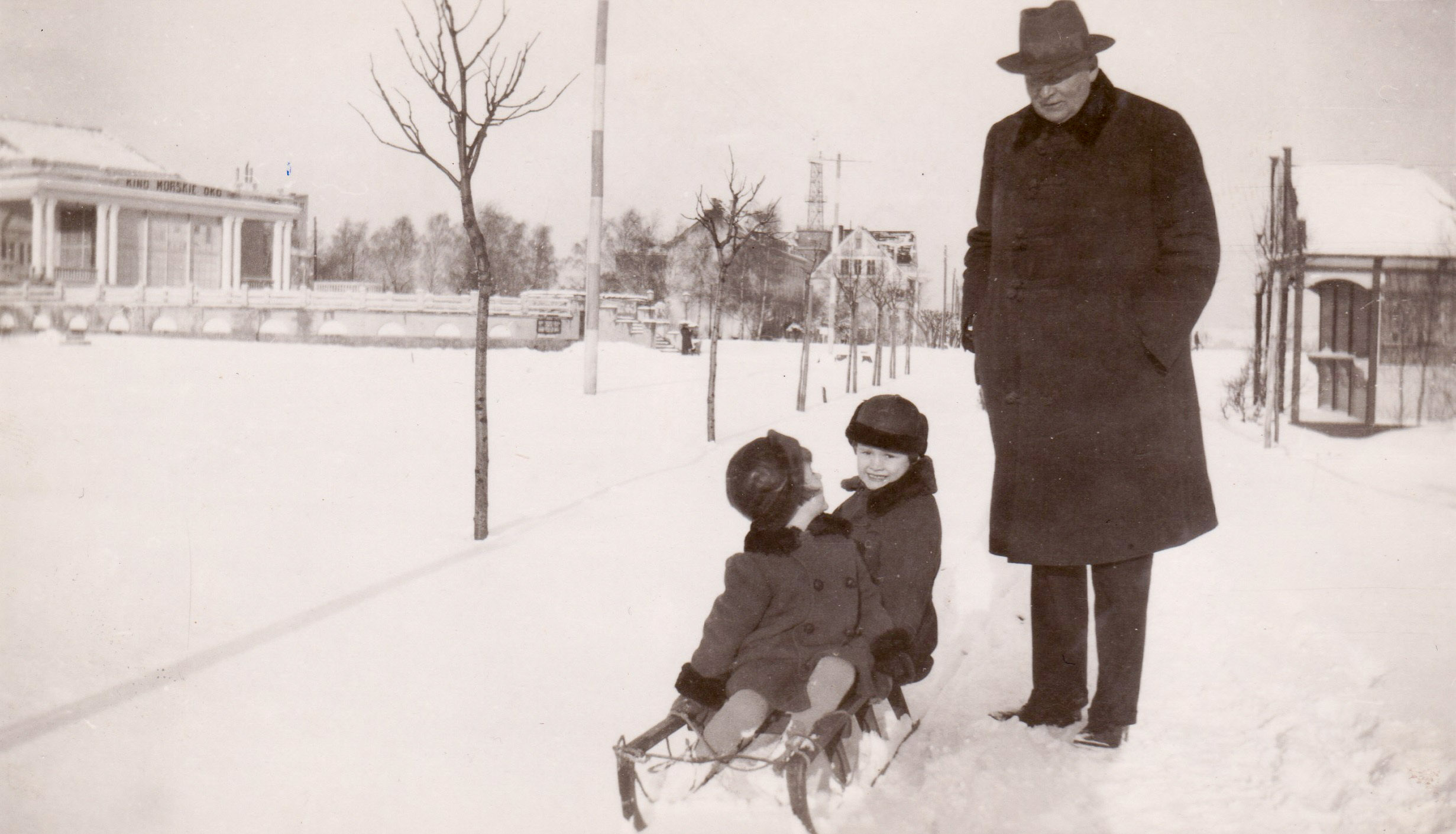
With Władek and their father Stanisław in Gdynia, with a cinema in the background (January 1931) -
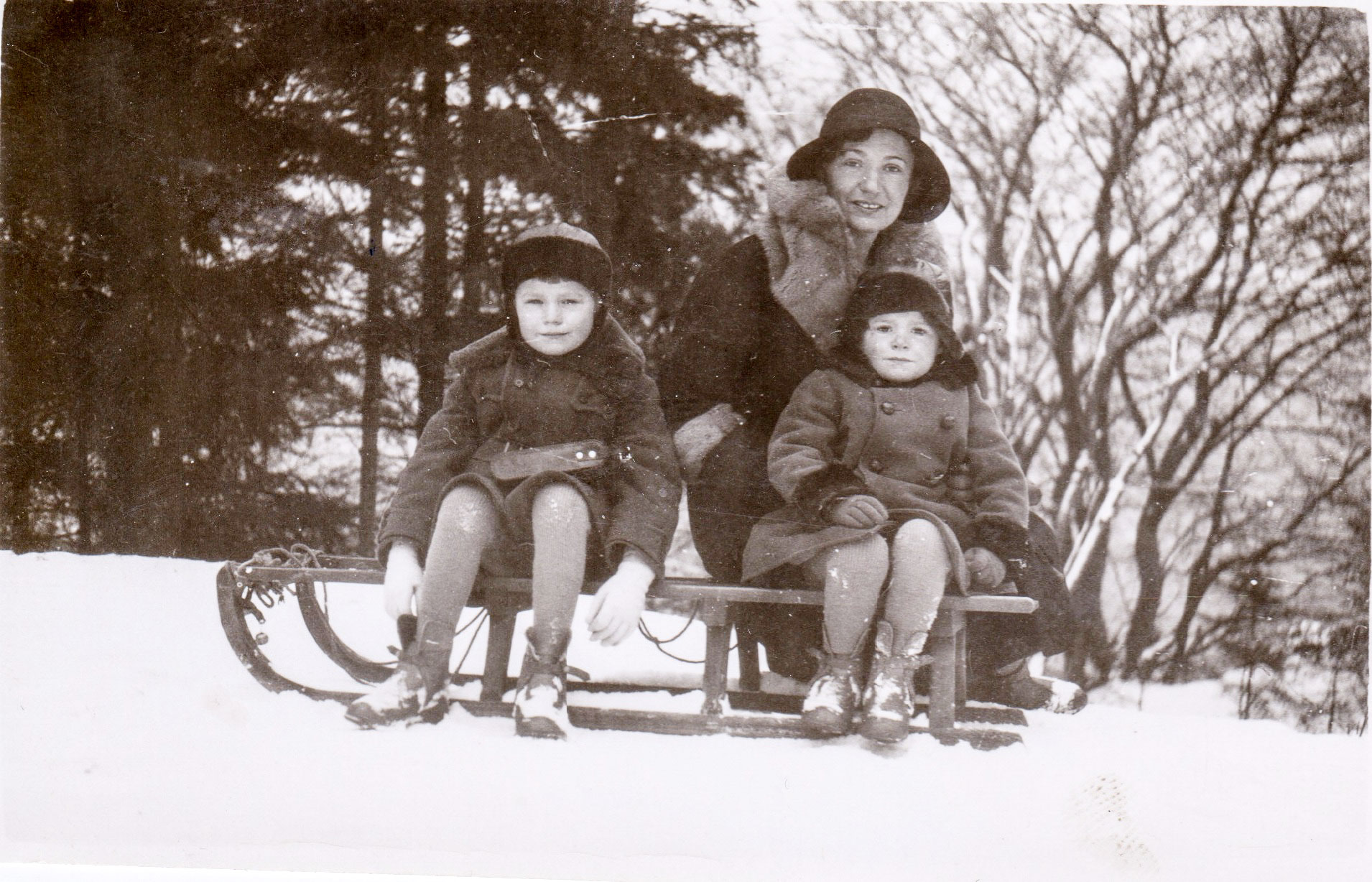
With Władek (R) and their mother Alicja in Gdynia (January 1931) -
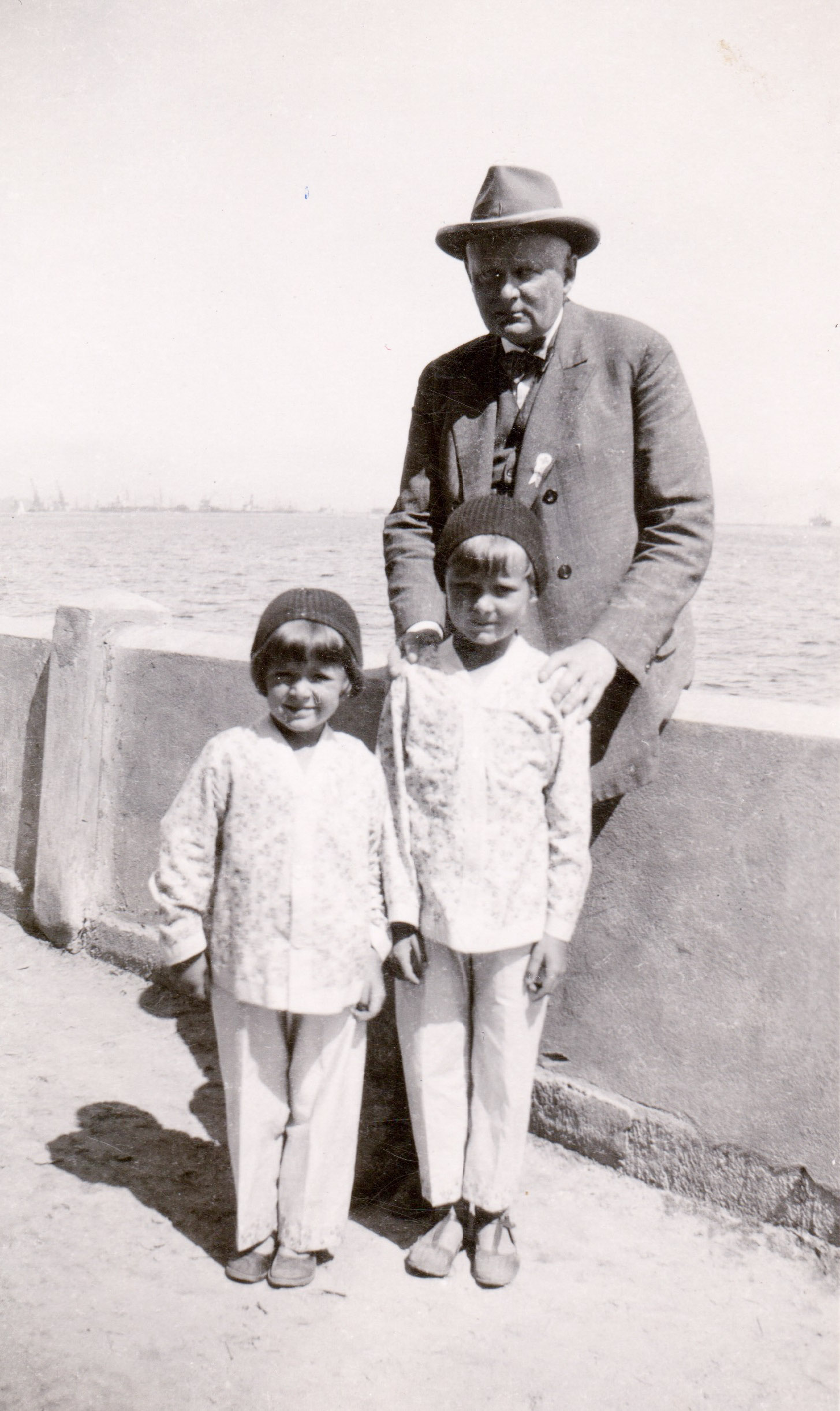
With Władek (L) and their father Stanisław in Gdynia (Aug 1st, 1931) -
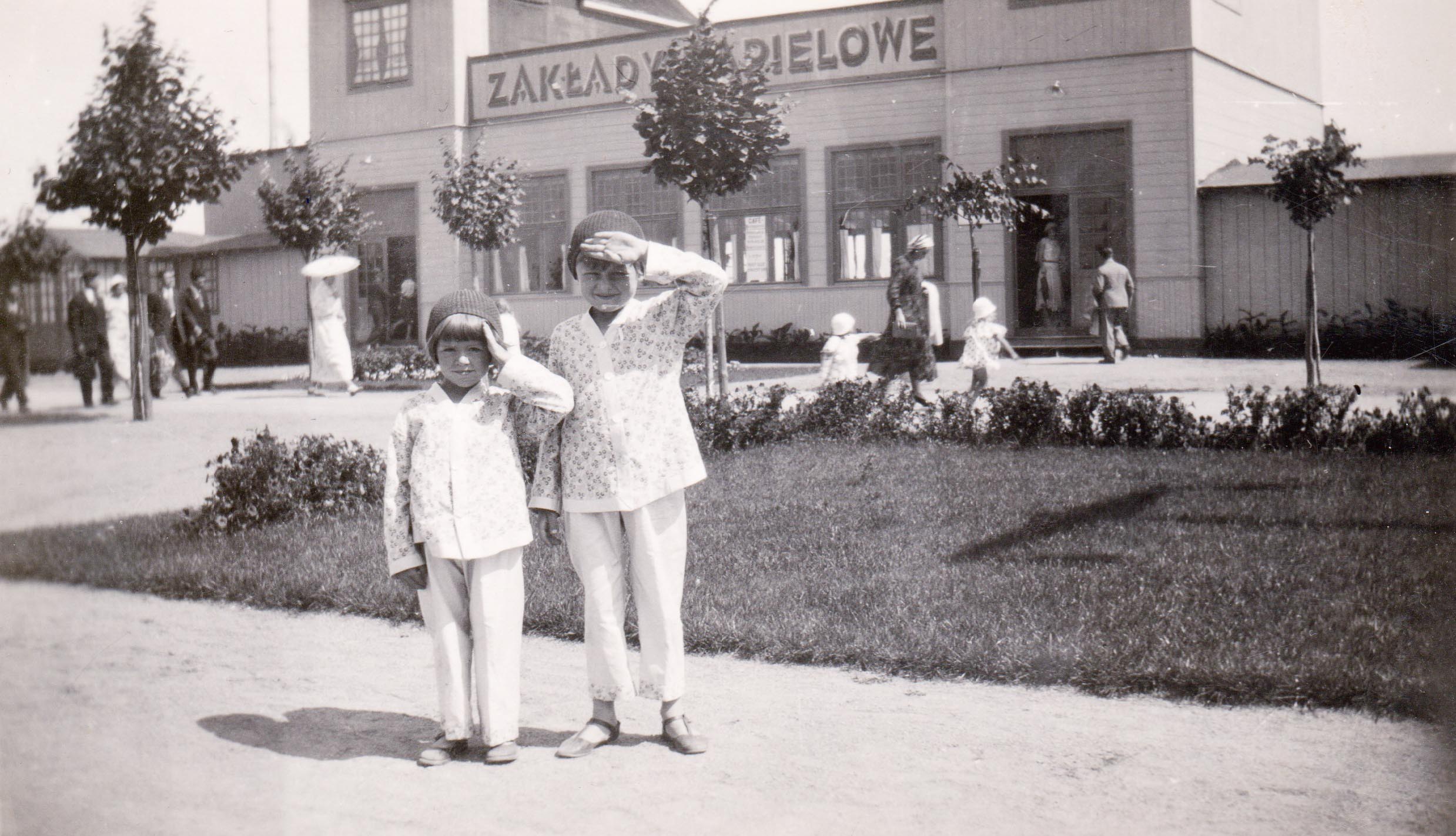
With Władek (L) in Gdynia, with a bathing beach in the background (Aug 1st, 1931) -
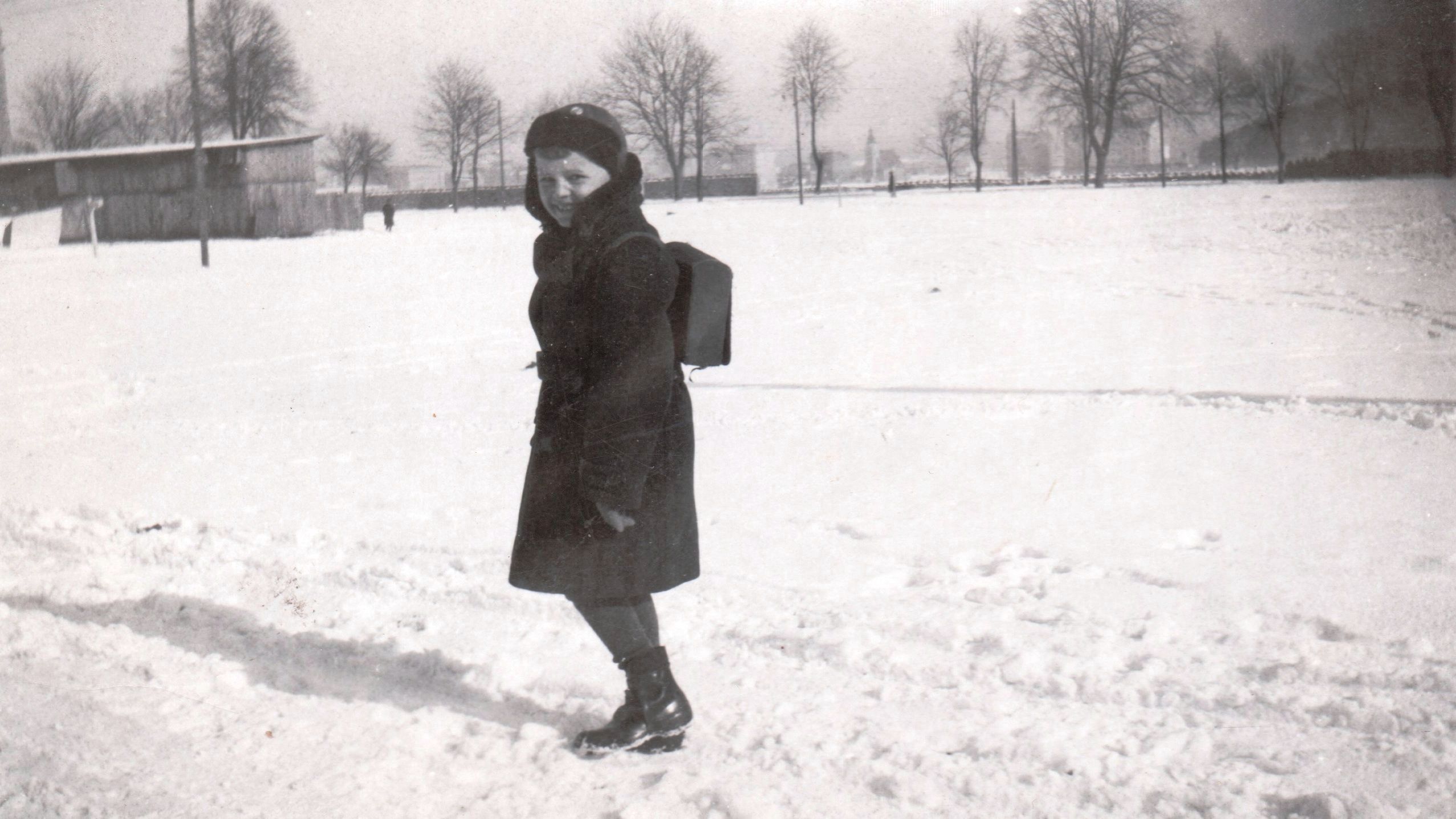
In February 1932 -
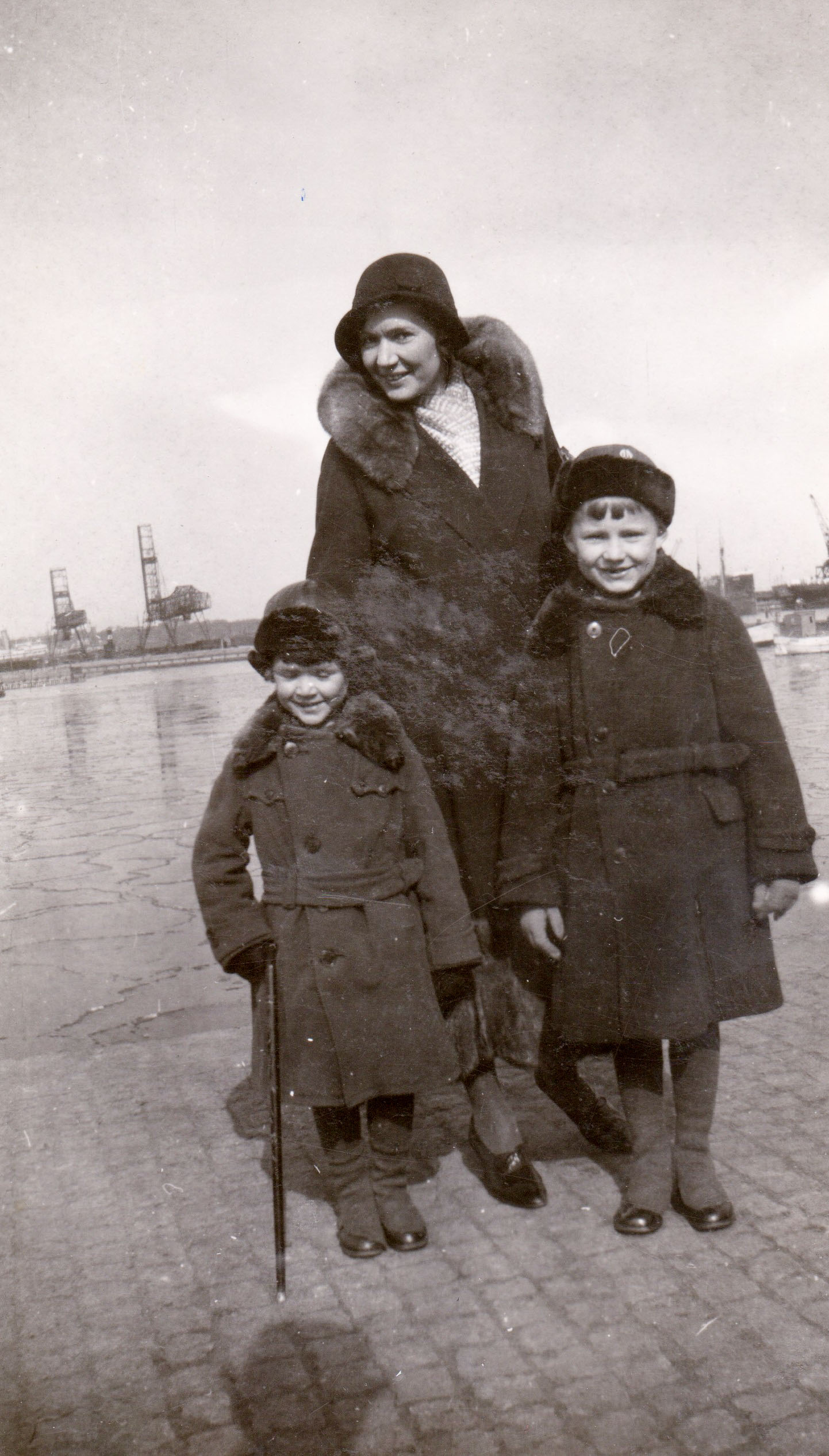
With Władek (L) and their mother Alicja in Gdynia (March 1932) -
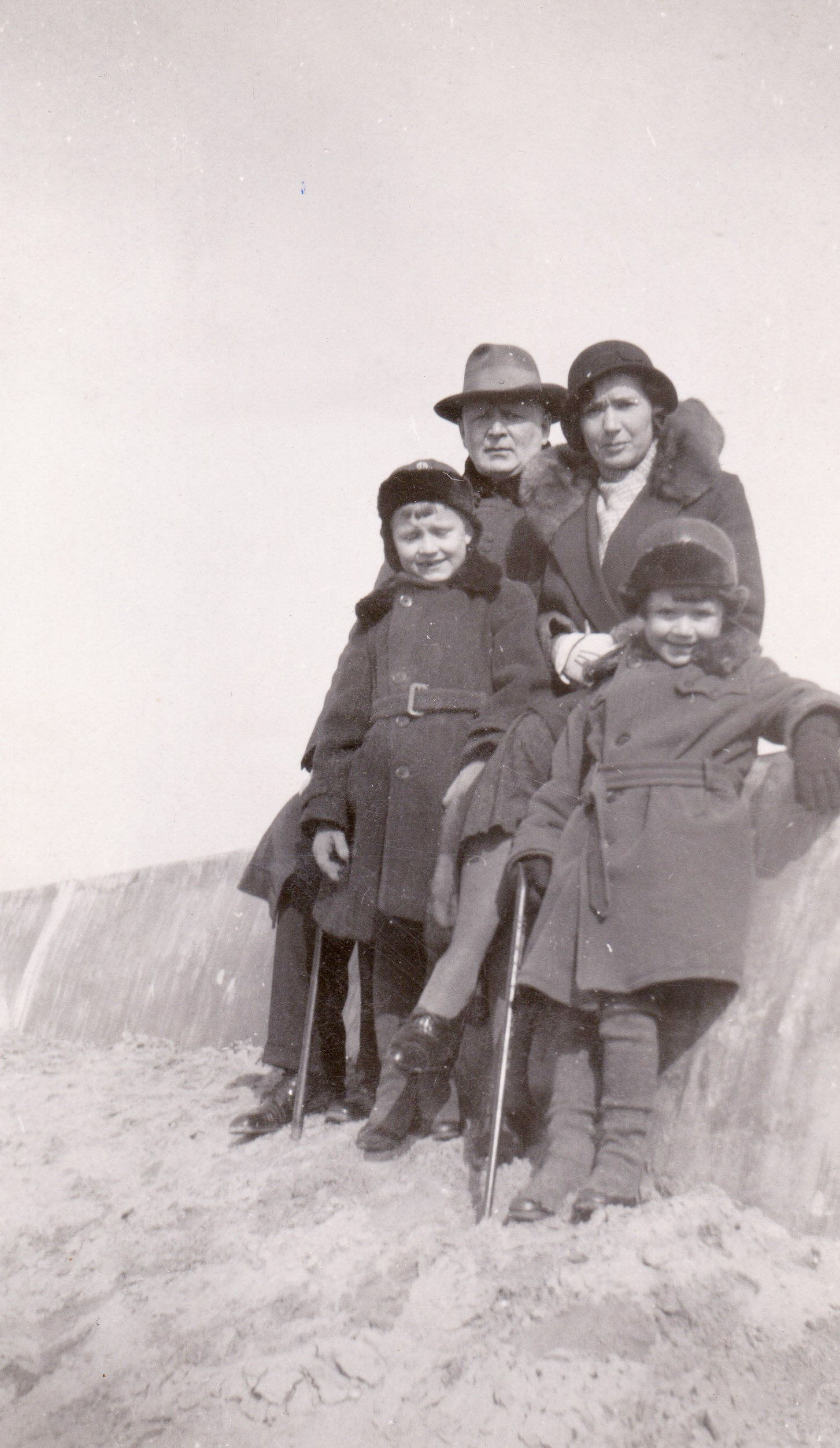
Entire family in Gdynia (March 1932) -
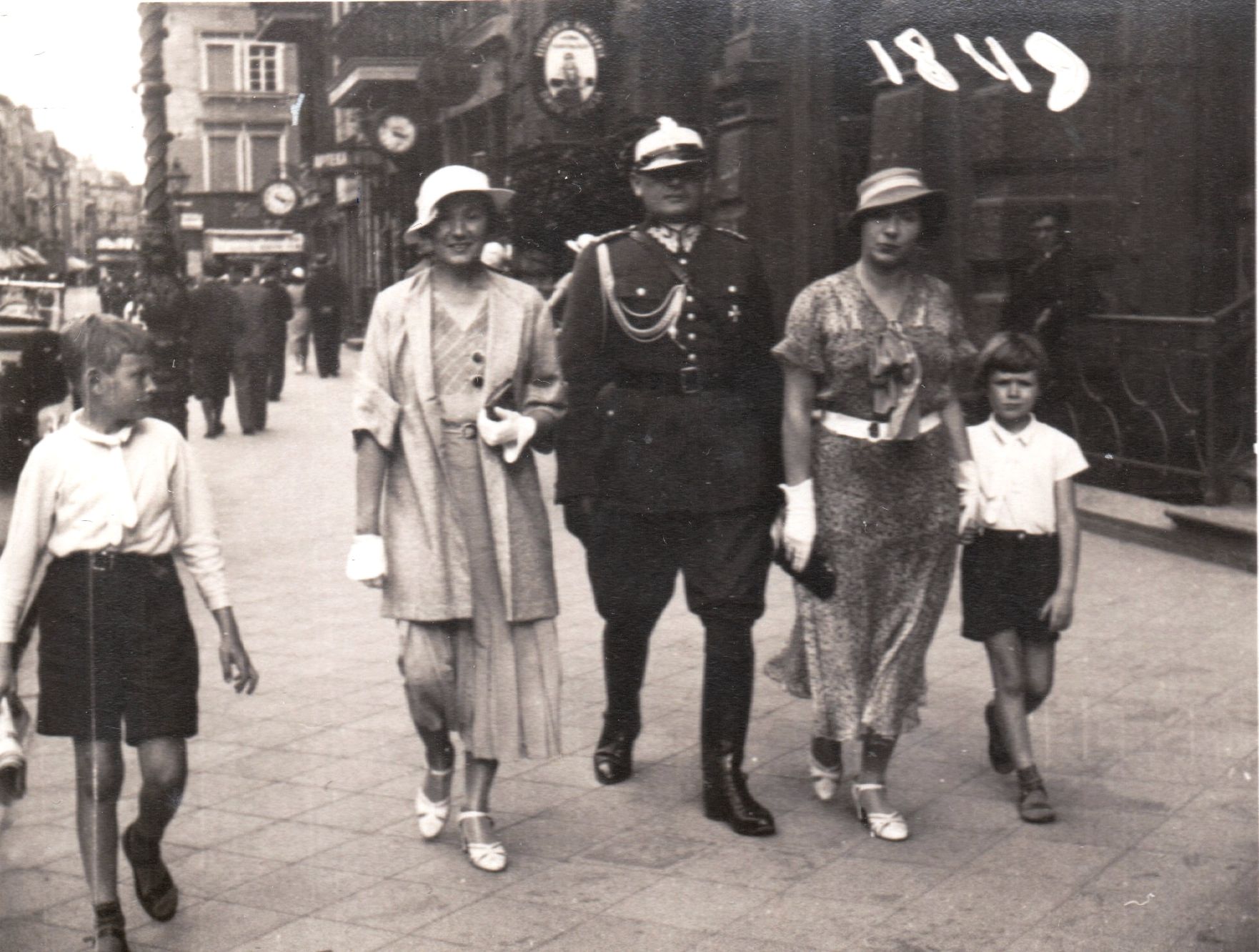
Stanisław (L) with his mother Alicja, his uncle Stefan Handke, his aunt Maria "Maryla" Michałowska (née Handke) and Władek (R) in Toruń (1934) -
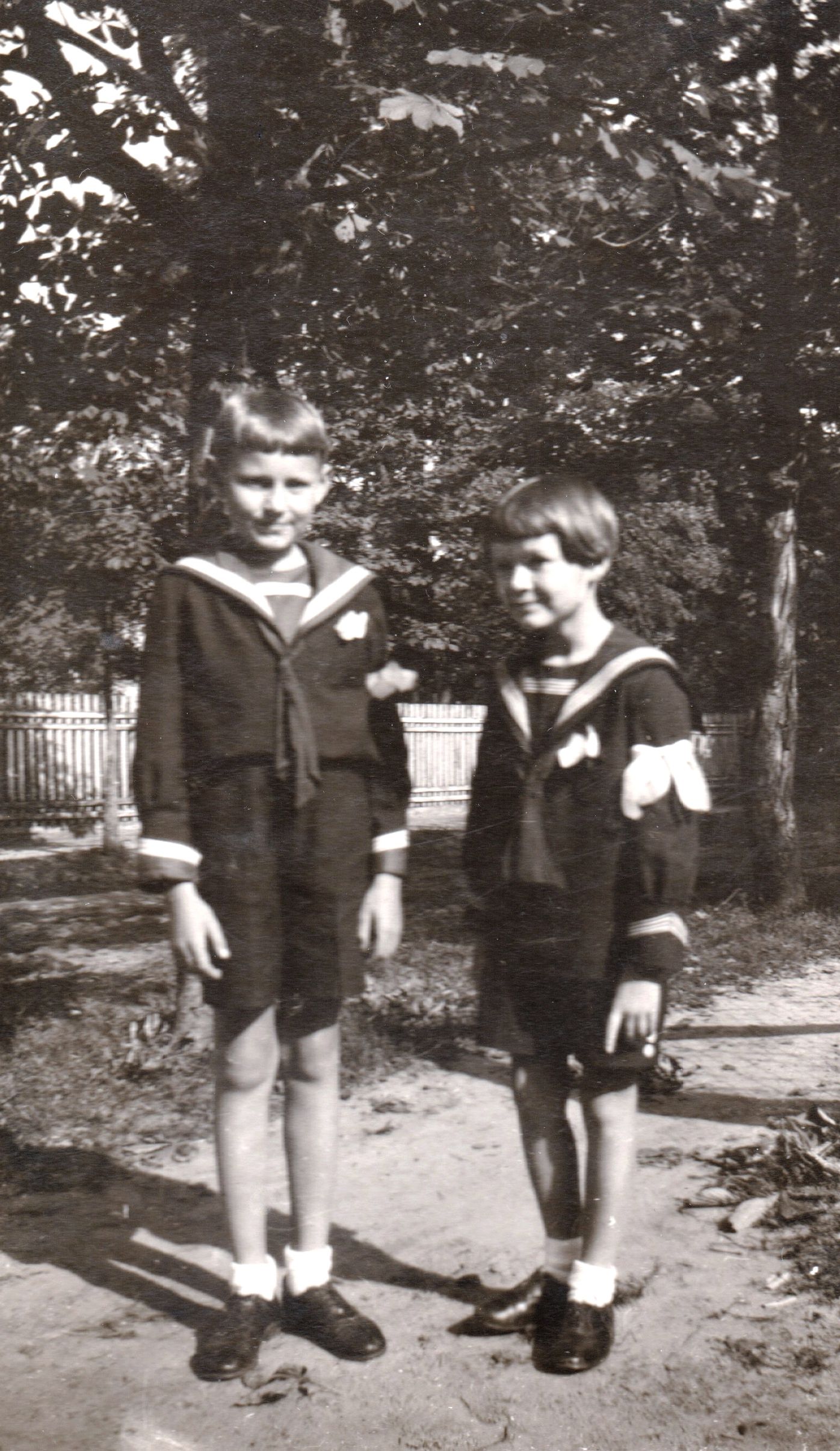
With Władek (R) in Milanówek on the day of their First Communion (Sep 24th, 1934) -

With Władek (L) in front of Wilanów Palace, a former royal residence (Oct 24th, 1937) -
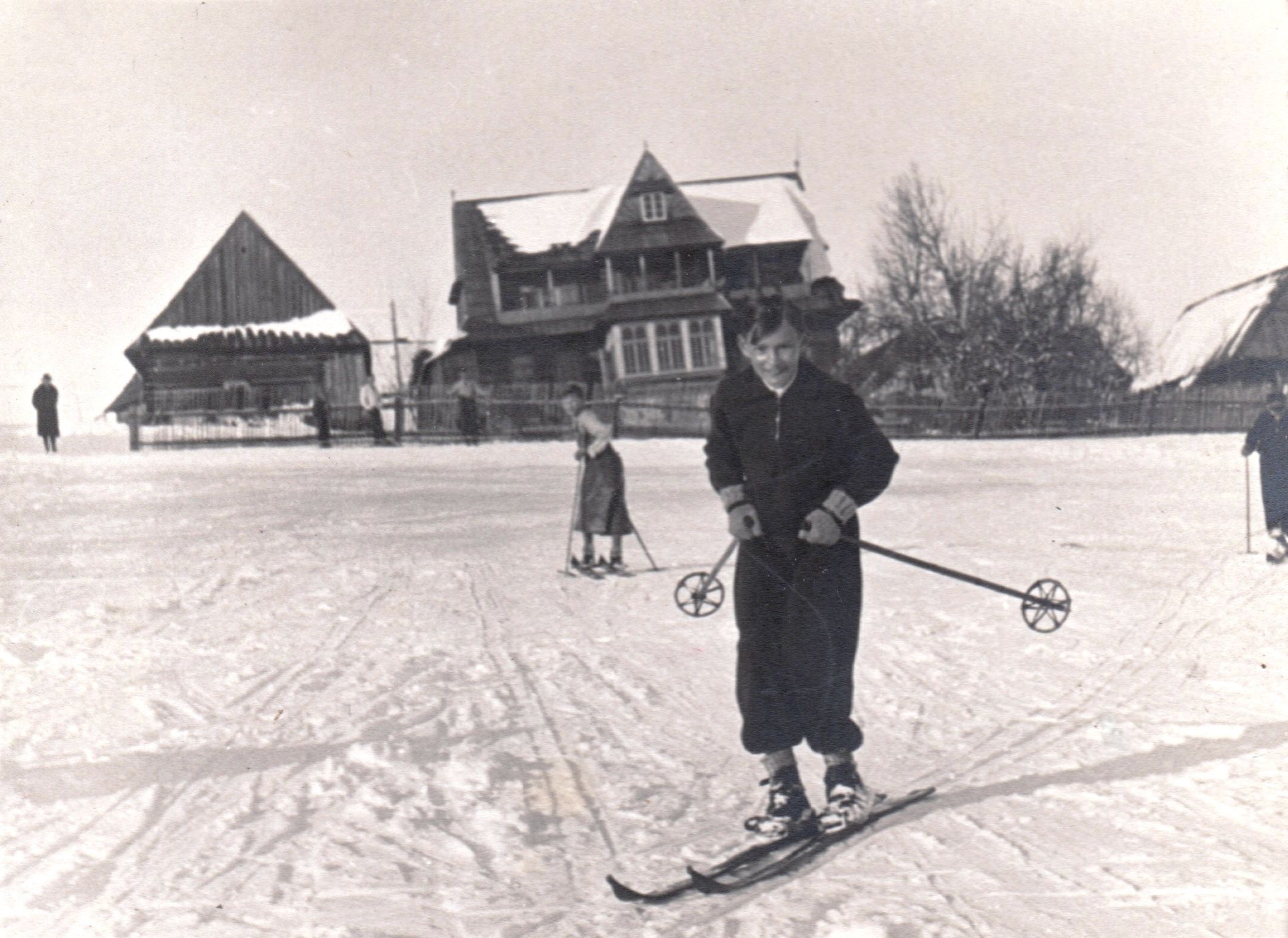
Skiing in December 1938, presumably in southern Poland -
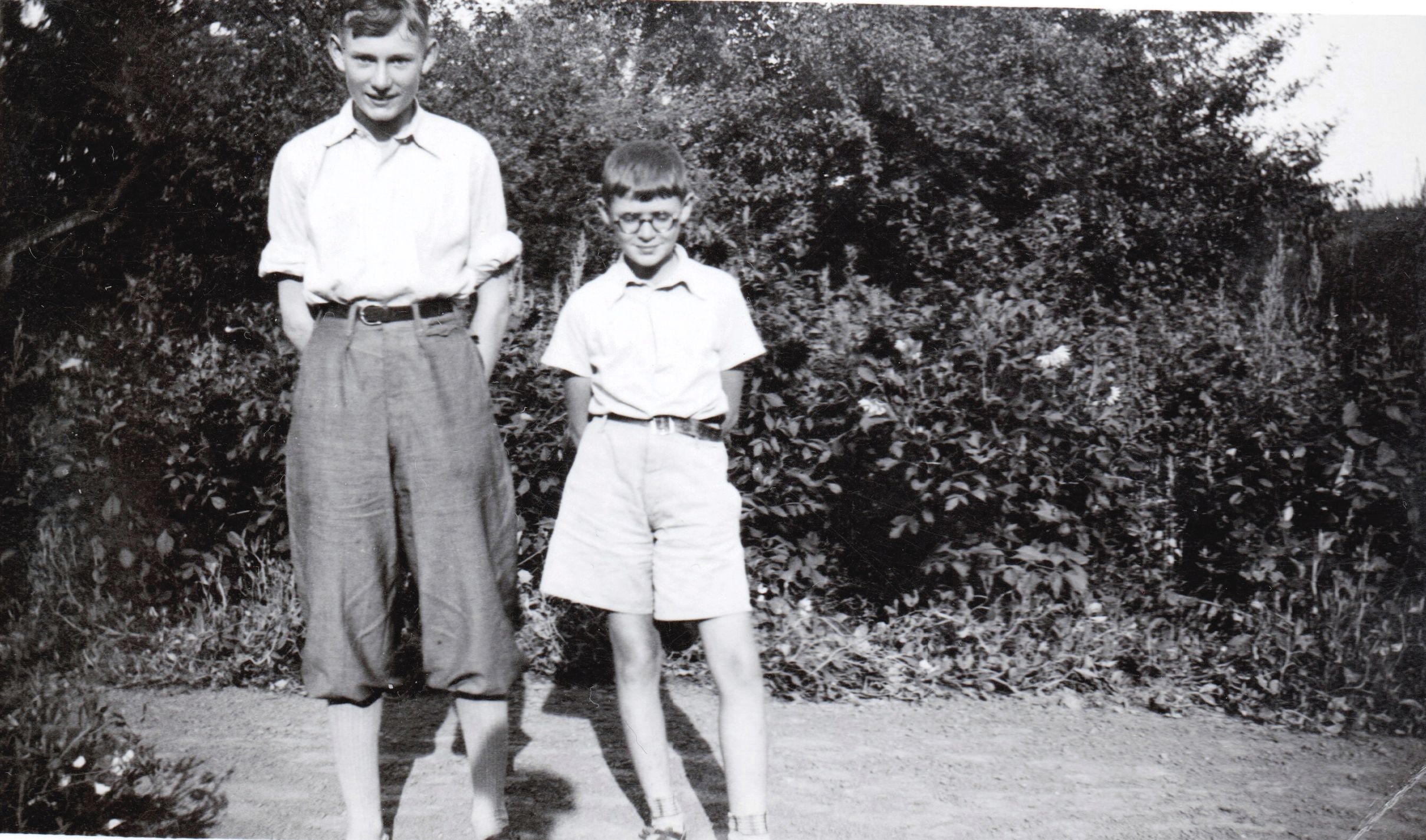
With Władek (R) in Śmiłowice, a 500ha family estate, lost after World War II to the communists (Summer 1939)
Member of the Polish Resistance
Olszyna was assigned to the Zośka Battalion of the Home Army, which would later be awarded the Virtuti Militari, Poland's highest military honor.
The Last Day: Aug 30th, 1944
The sounds of the pickaxe are getting louder and louder, the artillery is not sleeping either, a hurricane of fire is brewing. Xiążę ["Prince"] pulls up the light machine gun with all its crew, that is, Pion, Mucha [the "Fly"], Zawrat and Olszyna. [...]
Every now and then, with a deafening bang, fragments of bricks shoot up in a spray of red or grey dust. The shells are of a good calibre — sometimes you can see pieces of wall, beams flying in the air. Amidst the constant detonations, fragments of walls, roofs, entire floors collapse before our eyes... All the posts, except for the light machine gun and observation posts, are pulled back.
Wounded in the shelling, Leszczyc gets to the shelter, where civilians are also hiding.
Another air raid. Xiążę rushes into the shelter with the rest of the boys almost alongside the sound of the first bomb. The lights go out, the blast "rearranges" everything. Hysterical screams ... Plaster flies. They dive again ... No, it's the whistle of a new bomb ... Prayers fall silent ... A terrible detonation, and then another, a whole series. Silence, terrible impressions persist. Xiążę has already gone up.
"Go back, go back! They're coming again!" someone shouts at the top of his voice. "Buried, everyone's dead, the entire LMG crew is buried!" shouts the extremely agitated Xiążę. It's dark again in the shelter, people are hunched, silent. Others are tossing and turning as if in convulsions.
Xiążę has gathered a few boys, he's trying to save someone. They're carrying the wounded ... It's impossible to dig up the light machine gun crew, they're all surely dead. We can't forget this — such fine boys!
Eyewitness account by Leszczyc, Olszyna's platoon comrade, to be found in several books
The events took place in Warsaw's Old Town.
-
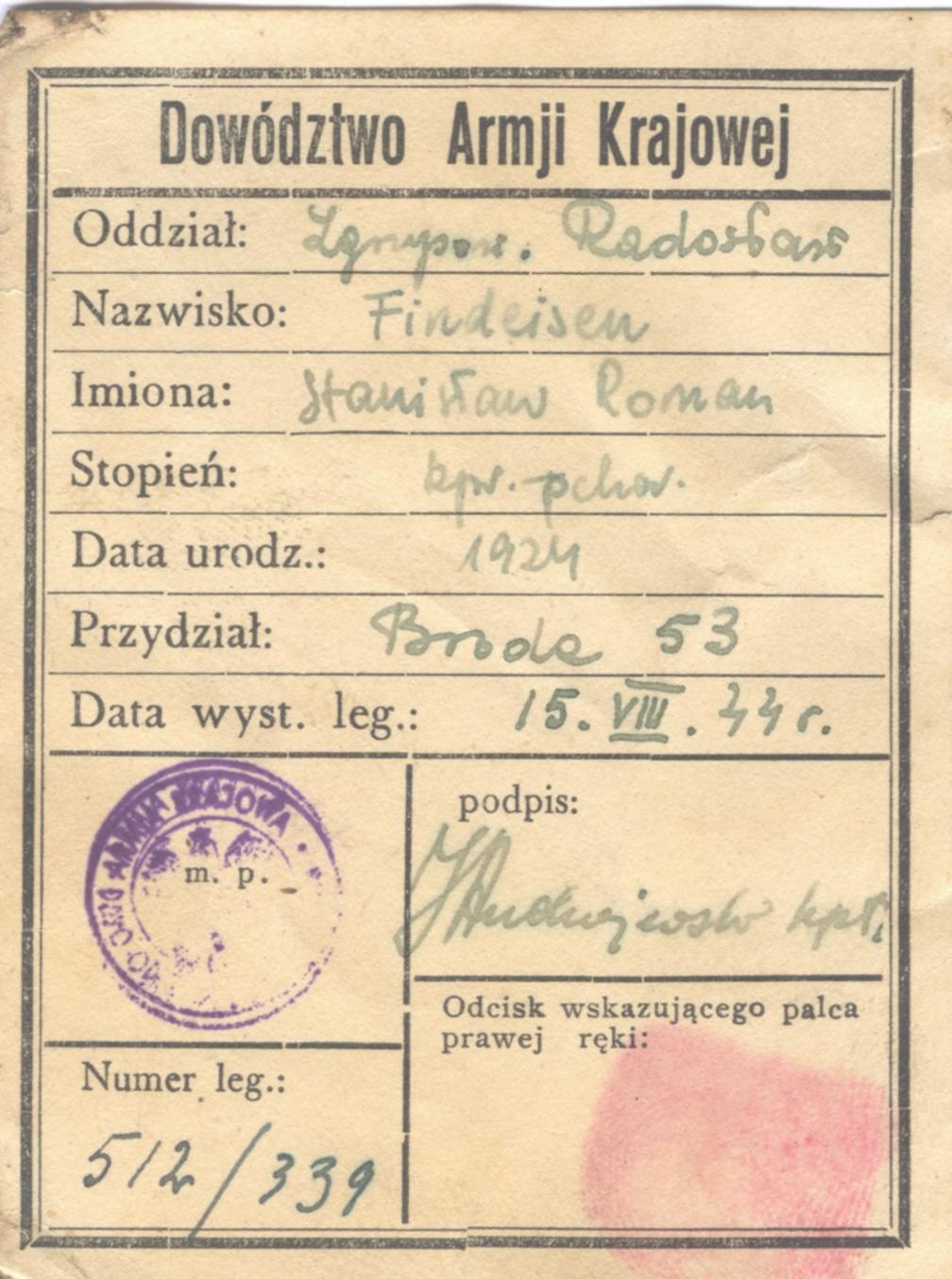
ID card of the Polish Home Army (Armia Krajowa) (Aug 15th, 1944) -
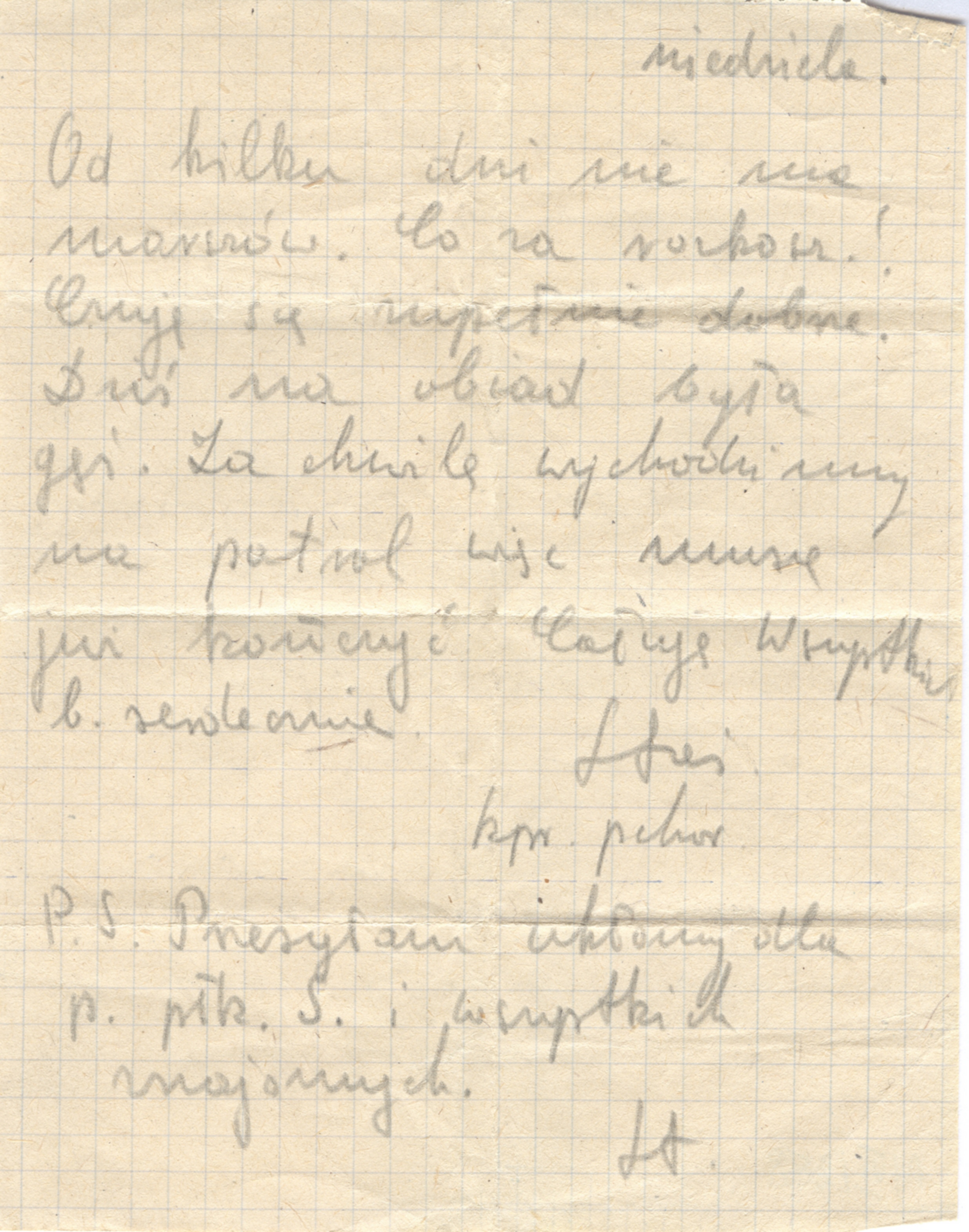
A letter sent from a partisan training retreat in the Puszcza Biała (July 1944) -

At a partisan training retreat in the Puszcza Biała (Stanisław is 1st on the left) (July 1944) -
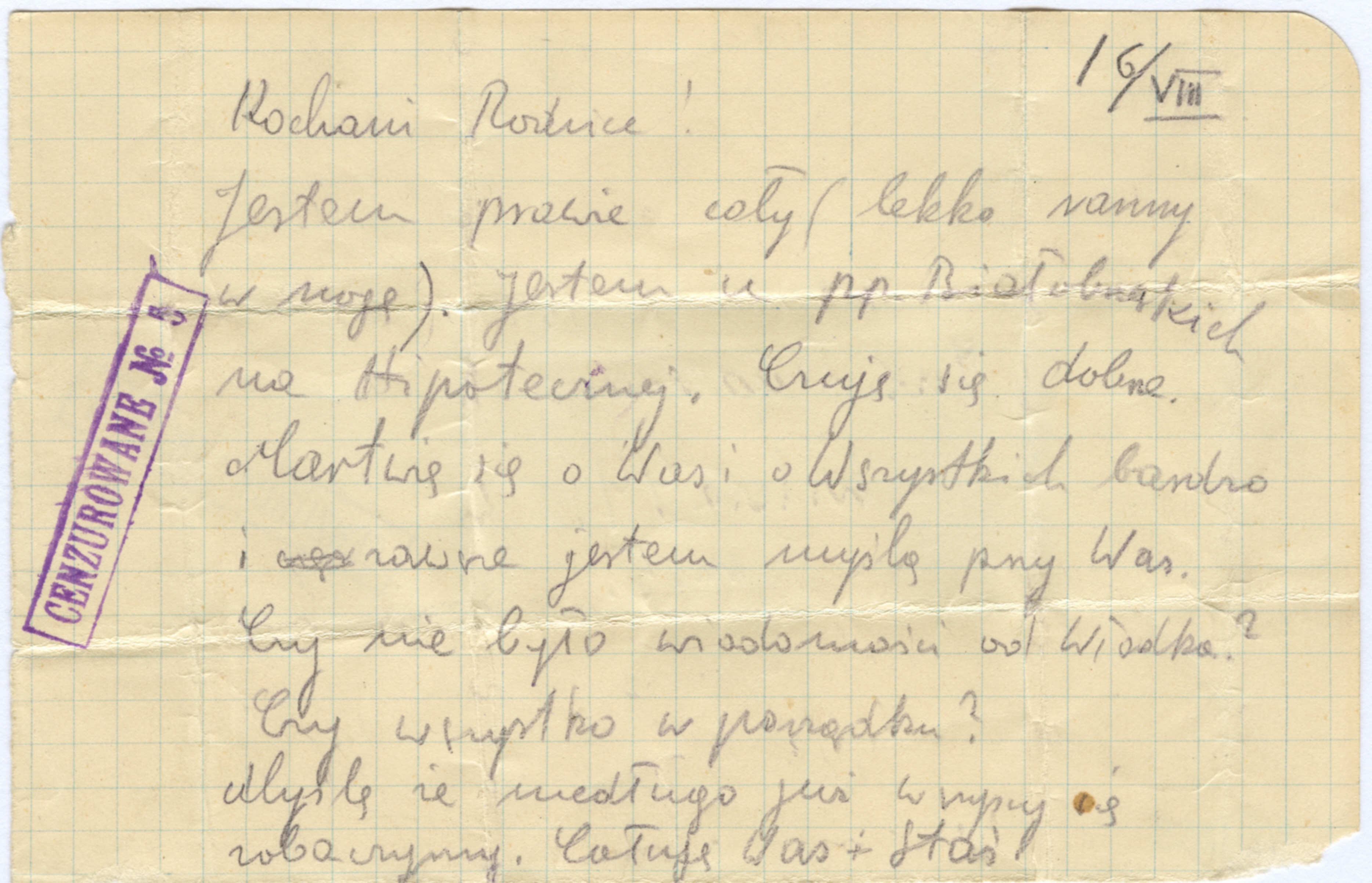
A letter to his parents, sent two weeks before his death (Aug 16th, 1944) -
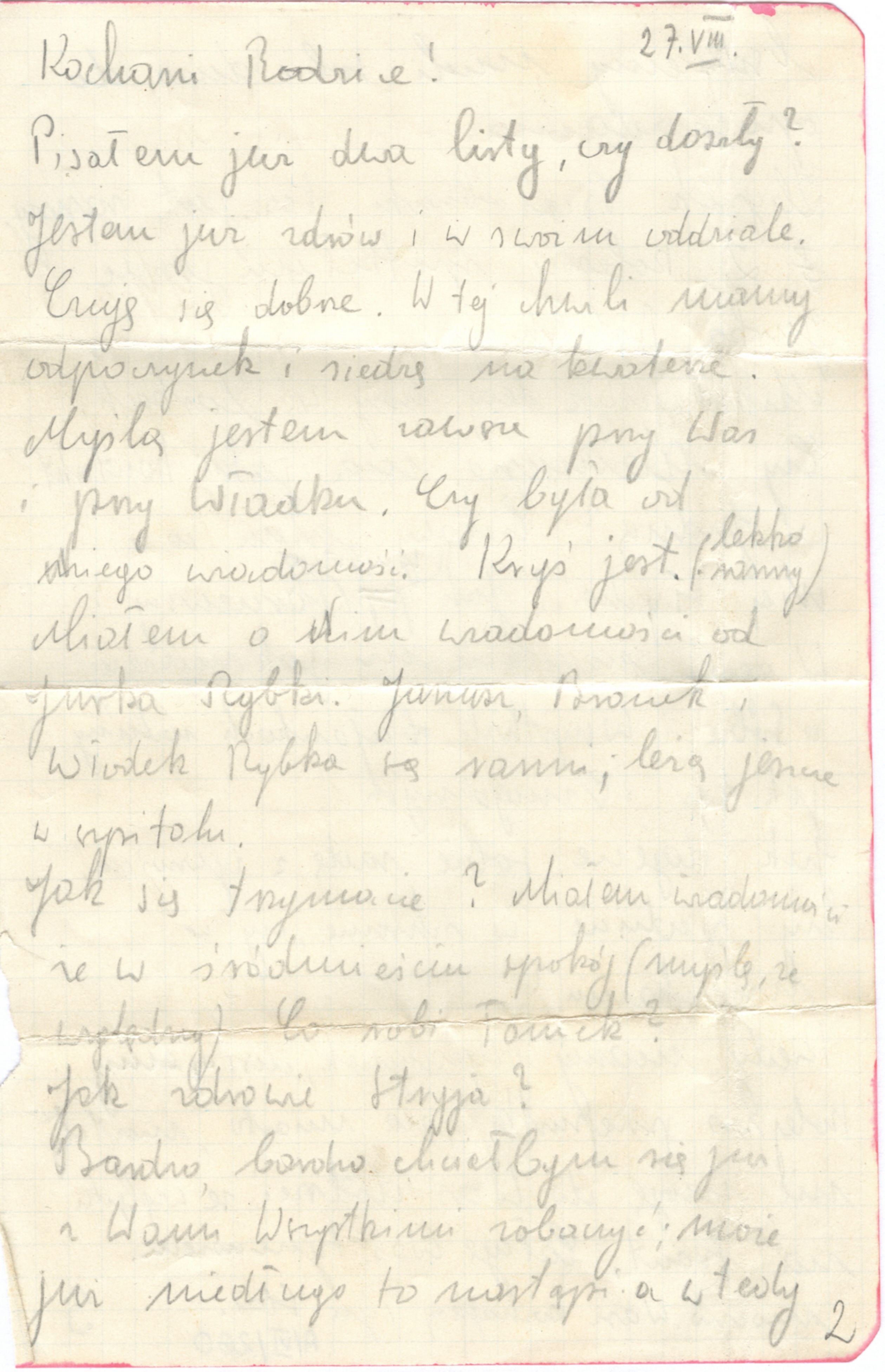
A letter to his parents, sent three days before his death (page 1 of 2) (Aug 27th, 1944) -
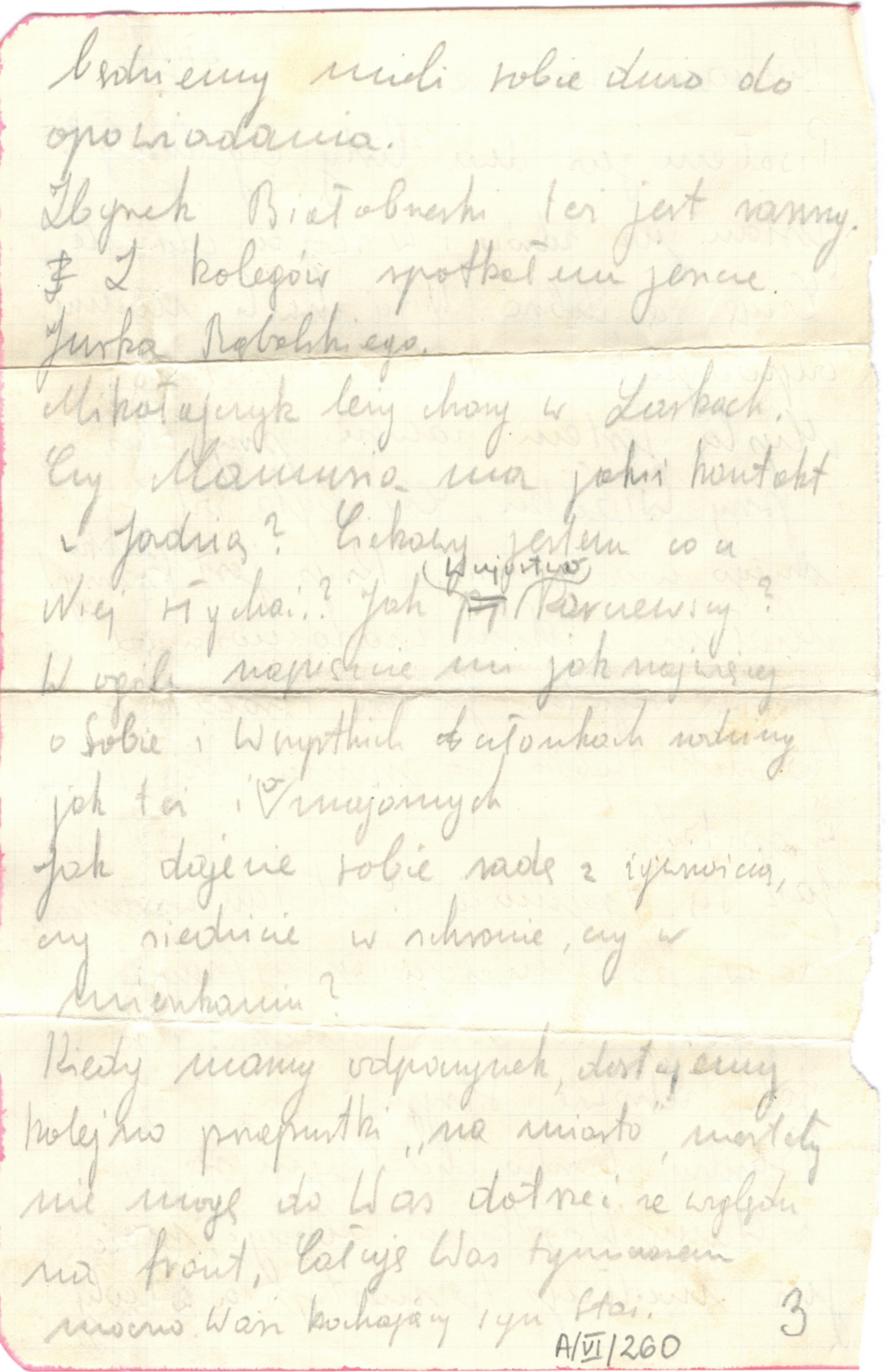
A letter to his parents, sent three days before his death (page 2 of 2) (Aug 27th, 1944) -
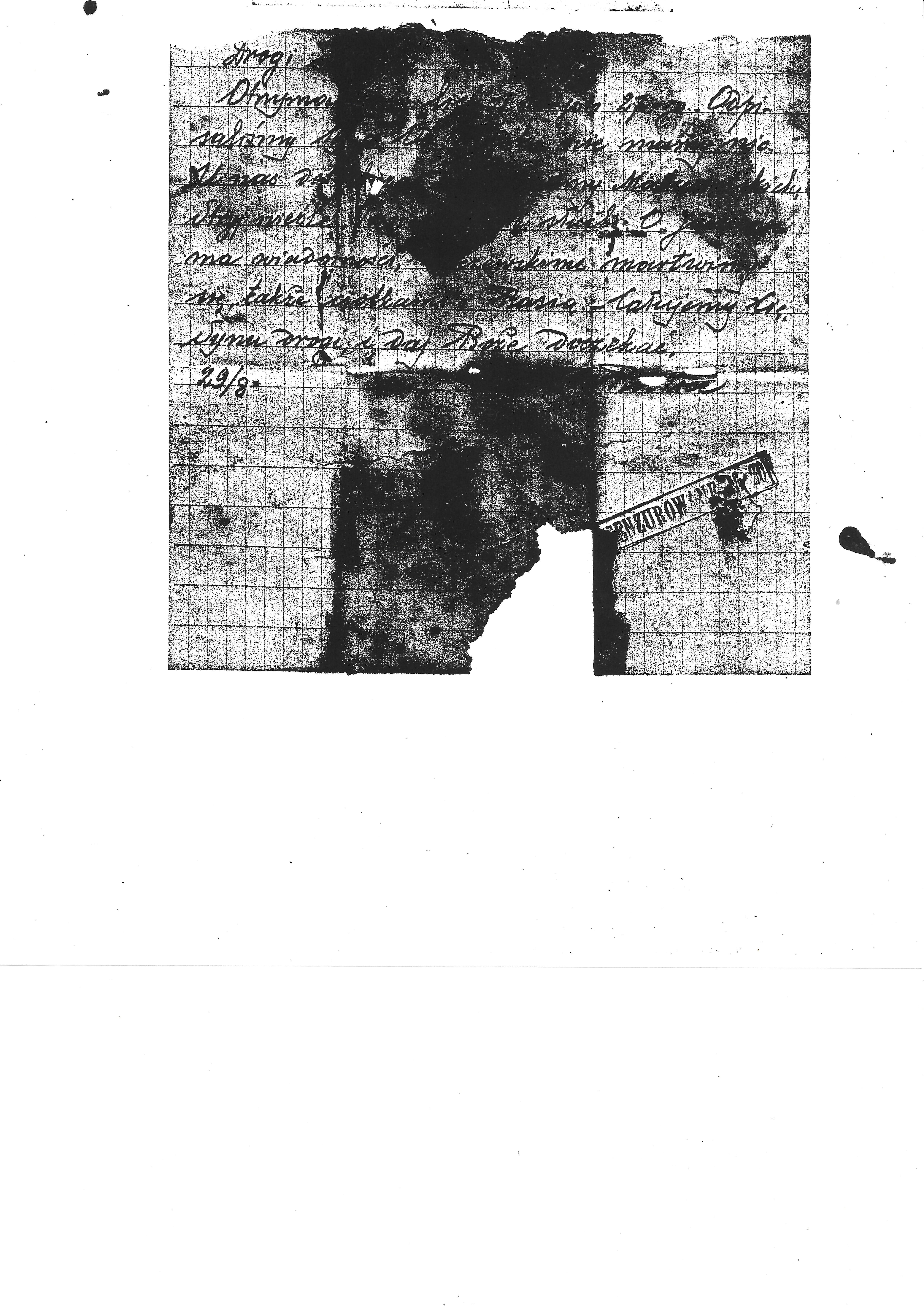
A letter from his parents, sent the day before his death and found by his body (Aug 29th, 1944) -
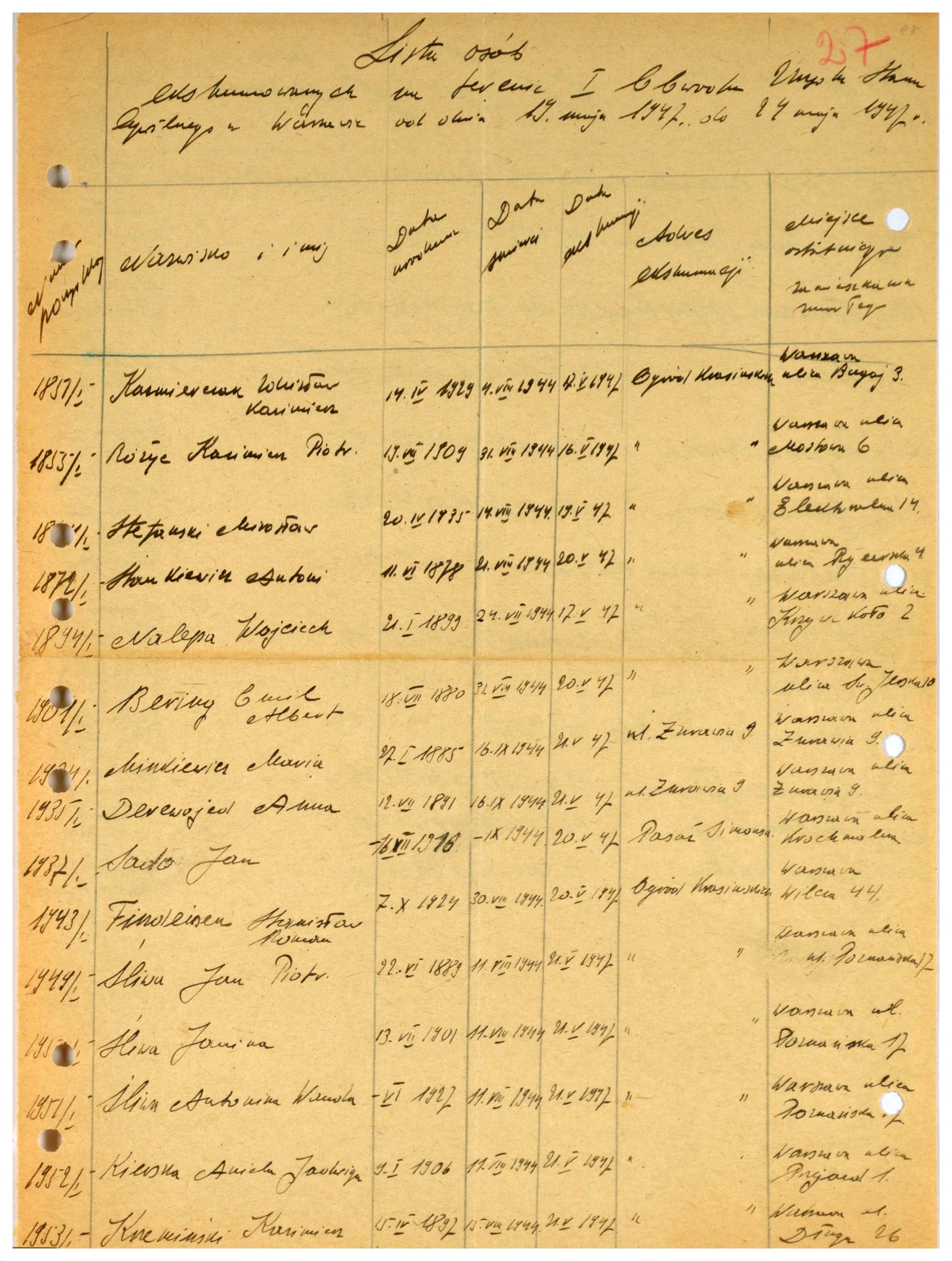
Exhumation list (1947)
The Home Army (Polish: Armia Krajowa) was one of Europe's largest World War II underground movements.
The Warsaw Uprising (not to be confused with the 1943 Warsaw Ghetto Uprising) was the single largest military effort taken by any European resistance movement during World War II.
Mail delivery across the frontlines was enabled by children from the Scout Field Post. A photo in action can be seen here.
Links
- Wikipedia entry
- Biographic entry at the Warsaw Rising Museum's website
- Warsaw Rising Museum